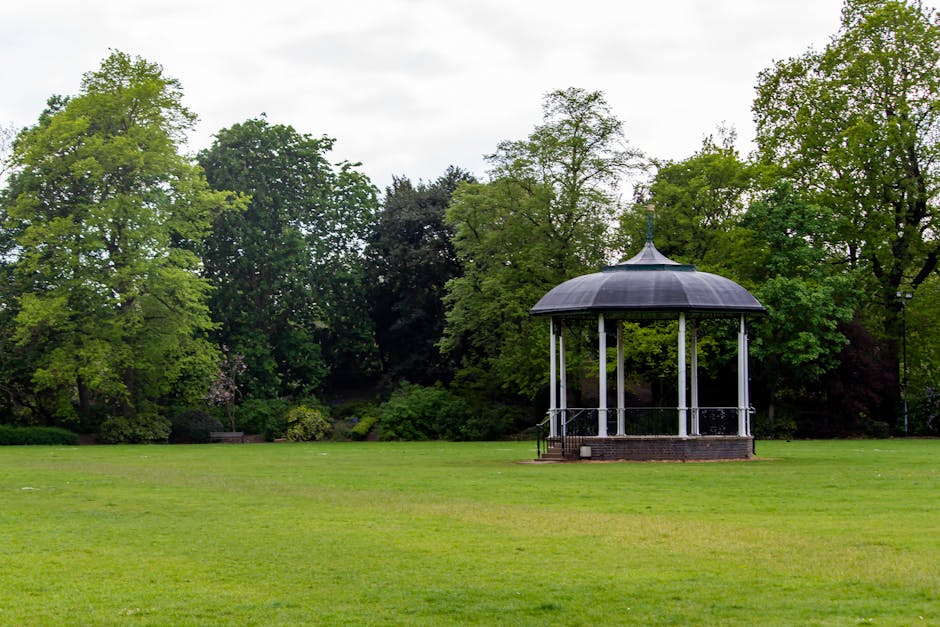
Dulwich Park furniture removals access and timing tips
If you are planning Dulwich Park furniture removals access and timing tips, the biggest question is usually not the sofa itself. It is the timing, the vehicle access, the parking, and whether the job will run smoothly without causing a headache for you, your neighbours, or the local traffic. Around Dulwich Park, those details matter more than people first expect. A move that looks straightforward on paper can become awkward very quickly if the truck arrives at the wrong time, the route is tight, or the building access is less friendly than it sounded on the phone.
This guide breaks the process down in plain English. You will learn how access tends to work near Dulwich Park, how to choose sensible collection times, what to check before the crew arrives, and how to avoid the usual snags that turn a simple furniture move into a long morning. If you are weighing up a full furniture removal, a single-item pickup, or a larger home move, the practical advice here should help you plan with a lot more confidence. And yes, a little local know-how goes a long way.
Table of Contents
- Why Dulwich Park furniture removals access and timing tips Matters
- How Dulwich Park furniture removals access and timing tips Works
- Key Benefits and Practical Advantages
- Who This Is For and When It Makes Sense
- Step-by-Step Guidance
- Expert Tips for Better Results
- Common Mistakes to Avoid
- Tools, Resources and Recommendations
- Law, Compliance, Standards, or Best Practice
- Options, Methods, or Comparison Table
- Case Study or Real-World Example
- Practical Checklist
- Conclusion
- Frequently Asked Questions
Why Dulwich Park furniture removals access and timing tips Matters
Dulwich Park sits in a part of South London where roads can feel calm one minute and busy the next. That makes timing important for furniture removals, especially if the job involves a van, a larger moving truck, or a property with limited frontage. Access is not just about getting close to the door. It is about getting there at a time when the vehicle can actually stop safely, when pedestrians are not being blocked, and when your move team can work without rushing.
Furniture removals also have a habit of looking deceptively simple. A dining table sounds easy. Then you discover the table leg will not fit through the hall, the lift is tiny, or the parking space you had in mind is already taken. Anyone who has tried to shift a bulky wardrobe through a narrow London stairwell will know the feeling. A bit of planning saves a lot of lifting, a lot of swearing, and usually a lot of time.
Good access and timing also help protect your furniture. The less you have to pause mid-move, the less likely something gets bumped, scraped, or left in a doorway while everyone waits for the route to clear. It is simple enough, really: the better the access plan, the smoother the whole job feels.
Key point: near Dulwich Park, the best furniture removal jobs are usually the ones that were organised around access first and the heavy lifting second.
How Dulwich Park furniture removals access and timing tips Works
The process is usually a mix of route planning, property access checking, and sensible scheduling. In practice, this means deciding where the vehicle will stop, how long loading might take, whether the furniture needs dismantling, and what time of day gives you the least disruption. If you are using a local service such as furniture removals, that conversation should happen before the moving day, not halfway through it.
Access near Dulwich Park can be affected by several things at once: residential parking pressure, school runs, local traffic peaks, shared driveways, trees or kerbs that restrict turning space, and the plain reality that some houses and flats are easier to load than others. A polite-looking road can still be awkward for a long vehicle. Bit of a trap, that.
Timing matters because removal work is physical and time-sensitive. If the property owner is not ready, the hallway fills with boxes and the crew cannot move. If the van arrives too early, you may be paying for waiting time. If it arrives too late, you may run into heavier traffic, less parking availability, or tighter building access windows. For larger jobs, many customers compare removal services with a smaller vehicle option so they can match the job size to the street conditions.
In simple terms, the best approach is this:
- Confirm the exact pickup and delivery addresses.
- Check whether the furniture can be dismantled or should stay assembled.
- Work out whether a van can park close enough for safe loading.
- Choose a time window that avoids known local pinch points.
- Leave enough buffer for stairs, awkward turns, and last-minute delays.
That is the framework. The detail is where good results come from.
Key Benefits and Practical Advantages
When access and timing are planned properly, the benefits are immediate. The job feels calmer, the furniture is handled more carefully, and the day does not spiral into a scramble. There is also less pressure on everyone involved. A move is tiring enough without adding avoidable friction.
- Less waiting around: the vehicle is positioned where it needs to be, and people are not standing about wondering what happens next.
- Lower damage risk: shorter carrying distances and fewer awkward carries reduce knocks and scrapes.
- Better use of labour: your removal team spends their time moving items, not solving parking puzzles.
- Cleaner timing: early planning helps you fit the job into school runs, work hours, or building access restrictions.
- More accurate pricing: clear access details usually make estimates more reliable, which matters if you are comparing quotes from removal companies.
There is a quieter benefit too: confidence. You know the move has been thought through. That sounds minor until you are halfway through the day and the coffee has gone cold. Then it matters a lot.
Who This Is For and When It Makes Sense
This advice helps a wide range of people, not just those moving an entire house. In fact, some of the trickiest access problems happen on smaller jobs because people assume the collection will be quick and leave too little space for planning.
You will find these tips especially useful if you are:
- moving furniture from a flat with shared access or stairs
- collecting a sofa, wardrobe, bed, or dining set from a property near Dulwich Park
- booking a same-day collection and need the timing to be realistic
- arranging a move for an elderly relative and want to keep the day calm
- working with a tight loading bay, narrow driveway, or limited roadside parking
- trying to coordinate a wider home move with other household tasks
It also makes sense if you are comparing vehicle types. A compact van may be easier for tight streets, while a larger truck may be better if the job is bigger and the route is straightforward. For awkward flats or partial moves, some customers prefer a flexible man with a van style setup, especially when timing and access are the main concerns.
If you are not sure which setup suits the day, ask yourself a simple question: what will take longer, loading the items or finding somewhere safe to stop? That answer often points you in the right direction.
Step-by-Step Guidance
Here is a practical way to plan Dulwich Park furniture removals without making it more complicated than it needs to be.
1) Start with the access picture
Look at both ends of the move. Can the vehicle get near the entrance? Is there a narrow gate, a steep path, steps, or a tight turning point? If the furniture is coming from a first-floor flat, think about stair width and landing space. If the item is going into storage, check whether the storage point has its own restrictions. If you are using storage as part of the plan, access windows and drop-off timing matter just as much.
2) Measure the awkward items
Measure longer pieces before the day, especially wardrobes, sofas, bed bases, sideboards, and glass-top tables. It takes minutes and can save a mess. Try to note the widest point, not just the obvious one. That slightly curved arm on a sofa? It counts. It always counts.
3) Decide whether dismantling is needed
Some furniture moves better in parts. Beds, large desks, and some wardrobes are easier to remove once dismantled. If the item is fragile, valuable, or complex, professional handling becomes even more useful. For delicate or heavy pieces, a specialist service such as piano removals is a reminder that not all furniture is equal. A cabinet and a grand piano are not cousins. Not even close.
4) Choose a sensible time slot
For Dulwich Park and the surrounding roads, early morning often works well because roads are calmer and the day has not filled up yet. Midday can still be fine, but it may feel slower if parking is harder to find. Late afternoon can be awkward if school runs, commuter traffic, or delivery traffic builds up. The best slot depends on the street and the property type, but giving yourself a wider window usually helps.
5) Build in loading time
People often underestimate loading time. A straight lift from a ground-floor property is one thing. A corner sofa down two flights of stairs is another. Add in parking moves, wrapping, or a quick dismantle and the schedule can stretch. A little spare time is not wasteful; it is sensible.
6) Confirm the plan before moving day
Do a final check the day before. Confirm the address, contact details, item list, access notes, and arrival window. If the job has a strict deadline, say so. Clear communication is boring right up until the moment it saves the whole day.
Expert Tips for Better Results
In our experience, the best furniture removals near Dulwich Park tend to follow a few practical habits. Nothing flashy. Just the kind of details that make the day easier.
Tip 1: Book around quiet road times where possible. Even a half-hour shift can improve access if the street is calmer. You do not need a magical solution, just a better window.
Tip 2: Keep a clear route inside the property. Shoes, baskets, umbrella stands, plant pots, and loose rugs all become trip hazards. Move them out of the way before the crew arrives. You will notice the difference straight away.
Tip 3: Protect walls and corners in advance. A bit of padding or careful route clearing reduces friction on tight turns. It is especially useful in narrow halls and stairwells.
Tip 4: Pack the day-before essentials separately. Keys, phone charger, kettle, documents, medication, and a change of clothes should not disappear into a box labelled "misc." That label is a lie more often than not.
Tip 5: Be honest about access. If the vehicle may not fit exactly where you hoped, say so. Removal teams can often adapt, but only if they know what they are dealing with. Truth be told, surprise is the enemy of a smooth move.
Tip 6: Think in terms of hand-carry distance. The longer the carry from vehicle to front door, the more time and labour the job needs. A short carry near Dulwich Park is a different proposition from a long residential walk or a lifted entrance with no parking immediately outside.
Tip 7: Plan for the weather, even in London. Rain, a slippery path, or a wet garden shortcut changes the pace. It sounds obvious. People still forget.
One last thing: if your move is tied to keys, deliveries, or a landlord appointment, add an extra cushion to the schedule. The day will feel far less pressurised. And if everything runs early, great. That is a pleasant problem to have.
Common Mistakes to Avoid
Most avoidable removal problems are not dramatic. They are small things that pile up. A couple of those and suddenly the day feels harder than it needed to be.
- Assuming parking will be easy: near Dulwich Park, that assumption can cost you time.
- Forgetting stair or lift access: a flat might look simple until the lift is too small or unavailable.
- Not measuring large items: this is one of the easiest mistakes to prevent.
- Booking too tight a time slot: a short window leaves no room for loading delays.
- Leaving boxes unlabelled: it slows unpacking and creates confusion later.
- Hiding awkward access details: if a team arrives expecting a quick curbside load and finds a long carry, everyone loses time.
- Forgetting disassembly tools: if furniture needs taking apart, missing tools can stall the job.
A small reality check helps here: if one part of the plan feels vague, that is probably where the delay will come from. Not always, but usually.
Tools, Resources and Recommendations
You do not need a van full of gear to make a move go well, but a few basic tools and services make life easier.
- Measuring tape: useful for doors, hallways, lifts, and furniture dimensions.
- Furniture blankets or wraps: good for protecting finishes and corners.
- Strong boxes and labels: the simplest way to keep small items under control.
- Basic tools: screwdriver, Allen keys, and bags for screws can save a lot of hassle.
- Heavy-duty tape: helpful for securing drawers or wrapping loose parts.
- Hand truck or trolley: particularly useful for heavier or boxed items on flatter routes.
If you want a more complete moving setup, you may also want to look at packing support such as packing and boxes or a more hands-off option like packing and unpacking services. Those options are especially helpful if the move is linked to work, family care, or a short deadline.
For customers comparing costs and value, the quote stage is where access notes pay off. Clear details can help make estimates more realistic. If that is on your mind, the page on pricing and quotes is a sensible place to start. It is always better to know what is included before anyone starts lifting.
Law, Compliance, Standards, or Best Practice
Furniture removals in London do not usually involve complicated legal issues for a standard household move, but there are still important best practices to follow. The main ones are safety, access, and consideration for other road users and residents.
For example, vehicles should not block pavements, driveways, emergency access, or unsafe areas. If you need to load close to the property, the plan should still leave enough space for people to pass safely. That is basic good practice, but it matters. A lot.
Teams should also work in line with sensible lifting and handling methods. Heavy objects, awkward shapes, and repeated carries create strain, so the move should be managed carefully. If a company publishes a health and safety policy, that is usually a good sign they take the practical side seriously, not just the sales side.
Insurance is another area worth checking. Accidents are rare when people are careful, but not impossible. Knowing how a company handles insurance and safety gives you a better sense of how they manage risk and protect your belongings.
Best practice also includes honest communication about the property. If access is tight, say so. If there is no lift, say so. If the route involves steps, a long walk, or a difficult parking setup, that should be part of the booking conversation. Straight answers keep everyone on the same page. Saves time, saves stress.
Options, Methods, or Comparison Table
Different move types suit different access and timing needs. Here is a simple comparison to help you think through what fits best.
| Option | Best for | Access needs | Timing flexibility | Typical challenge |
|---|---|---|---|---|
| Man and van | Small to medium furniture moves | Useful for tighter streets and shorter carries | Often flexible | Can be less efficient for large or bulky loads |
| Full removal service | Whole-home or multi-item moves | Better when the job needs coordination and loading support | Usually booked in advance | May need more precise scheduling |
| Furniture pickup only | Single items or a few pieces | Ideal if the item is easy to access | Can sometimes be quicker to arrange | Access surprises can still slow things down |
| Truck hire | Large loads with self-managed labour | Needs stronger parking and route planning | Less flexible if you are doing everything yourself | More likely to feel stressful if access is tight |
If your move near Dulwich Park is a simple pickup, a smaller vehicle may be the calmest option. If you are relocating several rooms, a more structured service may be the better fit. There is no prize for choosing the biggest vehicle. The right vehicle is the one that matches the street, the furniture, and your timing.
Case Study or Real-World Example
A recent-style example is a flat collection near Dulwich Park where the customer needed a dining set, a sideboard, and two armchairs moved before lunchtime. On paper, it looked like a quick job. In practice, the road was busier than expected, the closest parking was already occupied, and the sideboard needed a little dismantling to clear the hall turn.
Because the access had been checked early, the team adjusted the arrival window slightly and used a shorter carrying route from a nearby stopping point. The result was not dramatic. It was just smooth. The customer had time to sort keys, the furniture was padded properly, and the move finished without any rush. Simple, really. But that simplicity came from preparation, not luck.
The useful lesson? The "easy" jobs near Dulwich Park are often the ones that benefit most from precise timing. When the plan is tight, even a modest delay can ripple through the rest of the day. When the plan has a bit of breathing room, everything feels easier.
Practical Checklist
Use this checklist before moving day. It will not make the lifting lighter, but it does make the day more manageable.
- Confirm the pickup and delivery addresses.
- Check the access route from vehicle to door.
- Measure the largest furniture items.
- Note stairs, lifts, gates, or narrow hallways.
- Decide whether items need dismantling.
- Clear the parking or stopping point as much as possible.
- Label boxes and separate essentials.
- Protect floors, walls, and delicate surfaces if needed.
- Share access notes with the movers before arrival.
- Leave a realistic time buffer for traffic or loading delays.
- Confirm the service level, insurance, and quote inclusions.
- Keep phone contact available on the day.
If you tick those off, you are already ahead of most rushed moves. Honestly, that alone can take a lot of pressure off.
Conclusion
Dulwich Park furniture removals access and timing tips come down to one simple idea: plan the route and the clock before you plan the lifting. In a neighbourhood where parking, traffic, and property layouts can vary from one street to the next, that small bit of foresight makes a real difference. You get fewer delays, less damage risk, and a day that feels under control rather than improvised.
Whether you are moving one bulky piece or arranging a fuller household move, the best result usually comes from clear access notes, a realistic schedule, and a team that knows how to adapt when the street is not quite as simple as it looked online. Little details. Big difference.
If you are still comparing options, take a moment to review the service that suits your furniture, your access, and your timing needs. The calmer the plan, the easier the day tends to be.
Get a free quote today and see how much you can save.
Frequently Asked Questions
What is the best time of day for furniture removals near Dulwich Park?
Early morning is often the easiest because roads are calmer and parking is usually a bit less pressured. Midday can still work, but it may depend on local traffic and access at the property. If the job is sensitive to timing, ask for a window that gives you a little breathing room.
Do I need to measure my furniture before booking a removal?
Yes, especially for larger or awkward pieces. Measuring helps avoid surprises with doors, stairs, lifts, and hallways. Even a quick check of width, height, and depth can prevent a costly delay on the day.
Should I dismantle furniture before the movers arrive?
Only if it makes sense for the item and you are confident doing it safely. Some furniture is easier to move in parts, but fragile or complex pieces may be better handled by professionals. If in doubt, ask before taking anything apart.
How much notice do I need for a furniture pickup?
That depends on the size of the job and how flexible the schedule needs to be. Smaller collections can sometimes be arranged quickly, while larger or time-sensitive moves need more planning. If the access is tricky, earlier notice is always better.
What if parking near my property is limited?
Limited parking is common in London, so it is worth mentioning before the booking is confirmed. The team may be able to plan a shorter route from a safe stopping point or suggest a more suitable vehicle size. Clear access notes help a lot here.
Is a man and van service enough for furniture removals?
Often yes, especially for single items, flat moves, or smaller loads. A man and van setup can be practical when access is tight and you need flexibility. For larger house moves, a fuller removal service may be better.
What should I tell the removals team before the job starts?
Share the full address, access details, parking issues, stair or lift information, item list, and any time restrictions. If there are delicate items or special handling needs, mention those too. The more the team knows, the fewer surprises on the day.
Can furniture removals be done the same day?
Sometimes, yes. Same-day removals can work well for smaller jobs or urgent collections, provided the access is manageable and the team has availability. If you need a fast turnaround, keep your details ready so nothing slows the booking down.
How do I reduce the risk of damage during the move?
Clear the route, protect corners and surfaces, use proper wrapping, and make sure heavy items are handled by enough people. Good timing also helps because rushed moves tend to be the ones that go wrong. Slow is not always better, but controlled is.
What if the furniture will not fit through the doorway?
That is exactly why measuring and planning matter. Some items can be dismantled, rotated, or taken out a different way, but not always. If you suspect a fit issue, raise it early so a proper plan can be made.
Are there any special rules I need to follow near Dulwich Park?
You should always aim to avoid blocking pavements, driveways, or access routes, and the move should be carried out safely and considerately. Specific arrangements can vary by property and street. If you are unsure, ask the removals team how they usually handle access in the area.
What is the main mistake people make with furniture removals timing?
The biggest one is assuming the job will take less time than it actually will. Loading, parking, stairs, dismantling, and traffic can all add minutes. Those minutes add up. Leaving a bit of slack in the schedule is usually the smartest move.